
Current Research Projects
Genome Editing Tools
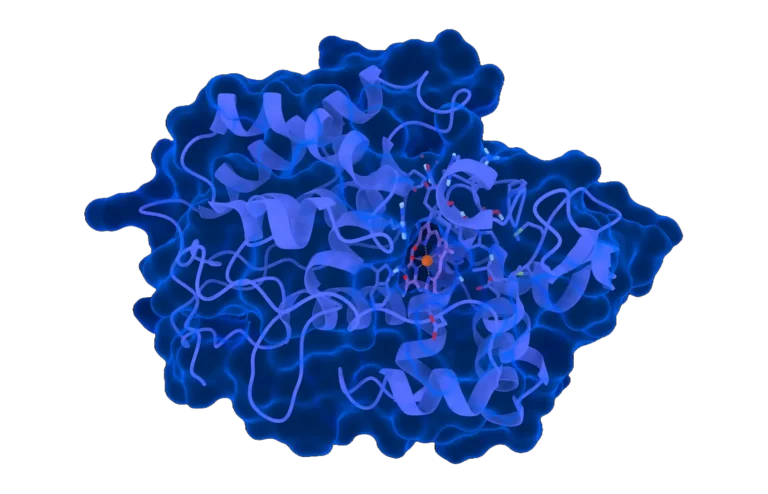
Although millions of microbial species exist, fewer than 1% can be cultured in the laboratory, and even fewer are amenable to genome editing. This limitation defines the “microbial dark matter”, a vast and largely unexplored reservoir of (micro-)biological knowledge.In our lab, we have the vision to make every microbe tractable to genome editing. Doing so will illuminate the “microbial dark matter” and transform it into a source of discoveries, technologies, and biotechnological applications.
Genome Editing Tools
Although millions of microbial species exist, fewer than 1% can be cultured in the laboratory, and even fewer are amenable to genome editing. This limitation defines the “microbial dark matter”, a vast and largely unexplored reservoir of (micro-)biological knowledge.
In our lab, we have the vision to make every microbe tractable to genome editing. Doing so will illuminate the “microbial dark matter” and transform it into a source of discoveries, technologies, and biotechnological applications.
Bacterial Defense Systems
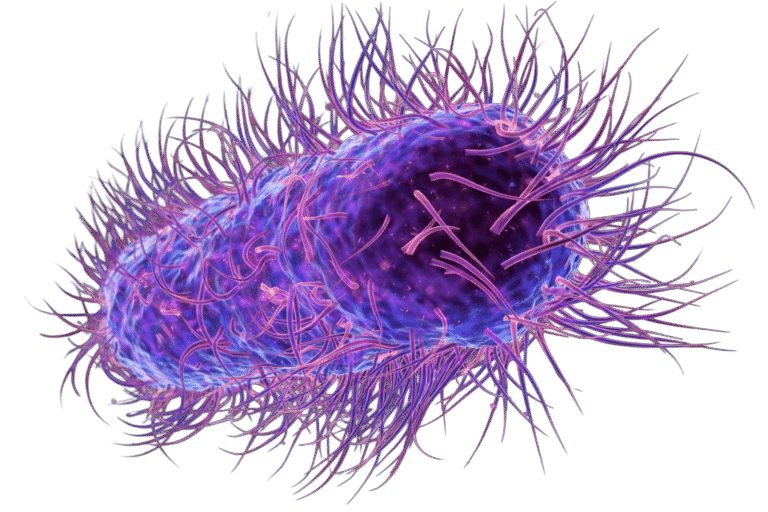
Bacteria have an amazing and incredibly diverse repertoire of bacterial defense systems against mobile genetic elements (e.g., phages and plasmids). The most well-known examples are the Restriction-Modification (RM) systems and the Clustered Regularly Interspaced Short Palindromic Repeats and associated proteins (CRISPR-Cas).Both RM and CRISPR-Cas systems have been used for various biotechnological approaches including genome editing. In this research line, we are using high-throughput in vitro transcription-translation systems to characterize novel bacterial defense systems and repurpose then into genome editing tools.
Phage Therapeutics
Antimicrobial resistance (AMR) arises when microorganisms evolve to survive traditional antimicrobial treatments, rendering common infections increasingly difficult or impossible to treat. Consequently, this leads to rising morbidity, mortality, and healthcare costs worldwide. Driven by antimicrobial misuse, inadequate infection control, and the global spread of resistant pathogens, AMR is widely recognized as a silent pandemic and one of the most urgent public health challenges today.
Critically, the pipeline for new antimicrobials has stagnated, underscoring the need for alternative, precision-based strategies to control resistant infections. Bacteriophages offer such an opportunity by enabling highly specific targeting of bacterial pathogens. Our lab addresses AMR by engineering phages using state-of-the-art molecular biology tools to combat clinically relevant antimicrobial-resistant bacteria.
Critically, the pipeline for new antimicrobials has stagnated, underscoring the need for alternative, precision-based strategies to control resistant infections. Bacteriophages offer such an opportunity by enabling highly specific targeting of bacterial pathogens. Our lab addresses AMR by engineering phages using state-of-the-art molecular biology tools to combat clinically relevant antimicrobial-resistant bacteria.

Phage Therapeutics
Antimicrobial resistance (AMR) arises when microorganisms evolve to survive traditional antimicrobial treatments, rendering common infections increasingly difficult or impossible to treat. Consequently, this leads to rising morbidity, mortality, and healthcare costs worldwide. Driven by antimicrobial misuse, inadequate infection control, and the global spread of resistant pathogens, AMR is widely recognized as a silent pandemic and one of the most urgent public health challenges today.Critically, the pipeline for new antimicrobials has stagnated, underscoring the need for alternative, precision-based strategies to control resistant infections. Bacteriophages offer such an opportunity by enabling highly specific targeting of bacterial pathogens. Our lab addresses AMR by engineering phages using state-of-the-art molecular biology tools to combat clinically relevant antimicrobial-resistant bacteria.